
- Obesity
- Shorter the sleep, greater the obesity (measured by BMI)
- Adults who slept 7.7 hours had the lowest BMI
- Shorter or longer sleep duration than 7.7 hours led to progressively high BMI
- Sleep insufficiency increases appetite
- Diabetes & Impaired Glucose Tolerance
- Adults who sleep 5 hours or less were 2.5 times likely to have diabetes than those who sleep 7-8 hours
- Cardiovascular Disease & Hypertension
- 5 hours of sleep was associated with 45% increase in risk
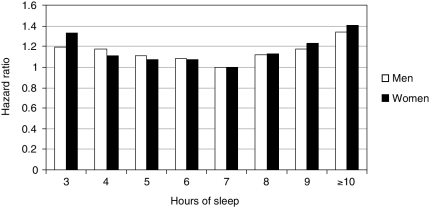
Chronic sleep deprivation can even have adverse effects on your health. Sleep loss (less than 7 hours of night) may have wide-ranging effects on different bodily systems, including cardiovascular, endocrine, immune, and nervous systems. To begin with, sleep deprivation can lead to obesity. The shorter the sleep, the greater the obesity (measured by BMI) severity observed was. According to a study, by age 27, individuals with short sleep duration (less than 6 hours) were 7.5 times more likely to have a higher BMI. Adults who slept 7.7 hours had the lowest BMI, while either shorter or longer sleep duration led to progressively higher numbers.
This correlation can be attributed to how sleep insufficiency increases appetite. Sleep insufficiency is associated with lower levels of leptin and higher ghrelin levels Leptin is a hormone produced by an adipose tissue hormone that suppresses appetite. As a result, when lower levels of leptin are exhibited, individuals' appetite improves. Obesity can also affect sleep. It can cause obstructive sleep apnea, which mostly occurs through fat deposition in airways (become narrow). Secondly, sleep is associated with diabetes and impaired glucose tolerance (Note: Impaired glucose tolerance is a precursor to diabetes indicated by glucose levels rising higher than normal and for a longer period after intravenous dose of glucose). Middle-aged and older adults who reported 5 hours of sleep or less were 2.5 times more likely to have diabetes compared to those who slept 7-8 hours per day. They also displayed impaired glucose tolerance.
Lastly, sleep is linked to cardiovascular disease and hypertension. For both short and long sleep duration, the likelihood of nonfatal and fatal heart attack is modestly included. 5 hours of sleep was associated with 45% increase in risk, and risks similarly increased for durations equal to or longer than 9 hours. Sleep deprivation is also related to anxiety symptoms, depression, and alcohol use. Sleep loss is also connected to disease mortality, with progressively shorter or longer sleep duration being associated with greater mobility. Sleep-loss-related mortality seems to be largely from acute heart attacks.