- Emotional Regulation
- Lack of sleep can make people more receptive to negative information
- Sleep deprivation is linked to anxiety, depression, and bipolar disorder
- Chronic insomnia may increase risk of developing mood disorders
- Lack of sleep can risk development of problematic behavior in the future
Now let's move on to how sleep deprivation affects mood, focus, and emotional regulation. Research finds that not only can sleep deprivation lower teens' abilities to concentrate but can also lead to anxiety, depression, and thoughts of suicide. In a study, subjects were limited to only four and a half hours of sleep a night for one week. Researchers observed that they became more stressed, angry, sad, and mentally exhausted as the experiment progressed. Once they resumed normal sleep, however, there was a dramatic improvement in their moods.
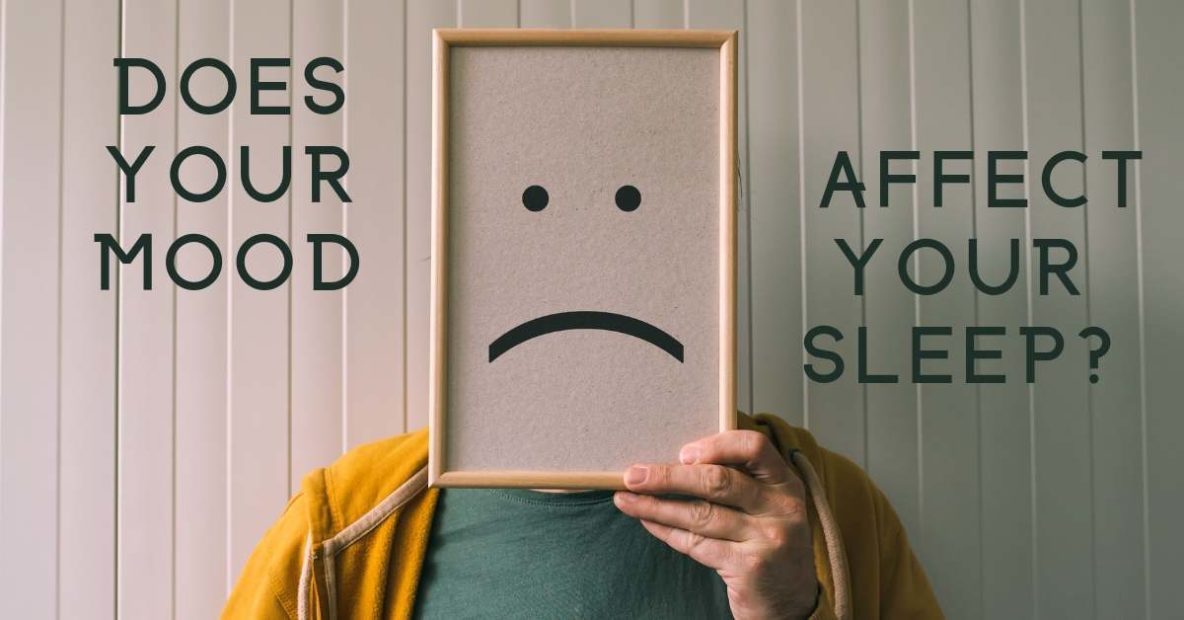
Additionally, sleep is often believed to regulate emotions. Lack of sleep can make people more receptive to negative information. As a result, sleep deprivation is frequently linked to anxiety, depression, and bipolar disorder. Intriguingly, mood and sleep do not work in a one way direction. It works both ways, with anxiety and stress influencing sleep results. Anxiety, for example, can lead to agitation and arousal, making it difficult to sleep. Meanwhile, stress arouses the body and keeps it awake and alert. As a result, many people under constant stress or abnormally exaggerated responses to it have sleep problems. Chronic insomnia, on the other hand, may increase risk of developing mood disorders. Surprisingly, there is a big relationship between psychiatric and psychological problems and sleep. This means that depressed and or anxious people have trouble with sleep.
Difficulty sleeping is also sometimes considered the first symptom of depression. Data indicates that 15-20% of people diagnosed with insomnia develop major depression. Vice versa, depressed people may have abnormal sleep patterns. Therefore, sleep problems are associated with psychological problems. For instance, chronic insomnia may increase an individual's risk of developing mood disorder. This makes insomnia a reliable predictor of depression and many other psychiatric disorders. The same study also discovered that people with insomnia are twenty times more likely to develop panic disorder.
Adolescence is an important period for development, and sleep plays an instrumental role in it. As a result, sleep deprivation can be especially dangerous to teenagers. Lack of sleep can risk development of problematic behavior in the future. A study found that adolescents with less sleep had less connectivity between parts of the brain that play important roles in decision making, self-reflection, and processing information. Malfunctions in these brain parts are generally linked to mental illnesses such as depression, ADHD, and schizophrenia. Children with less brain connectivity in this region are also more likely to show behavioral issues such as poor impulse control and aggressiveness. According to Assaf Oshri, corresponding author of the study and professor in the UGA College of Family and Consumer Sciences, sleep affects children's "mental health impact and helps them regulate their emotions."
Corroborating on the connection between lack of sleep and problematic behavior, Oshri also states that Sleep duration & sleep efficiency are "linked to distinct patterns of brain network connectivity that are predictive of problem behaviors." Lack of quality sleep can make learning to regulate emotions and control impulses harder for children. Additionally, sleeping habits impact adolescents' brains' function, which can also influence mental health outcomes.